
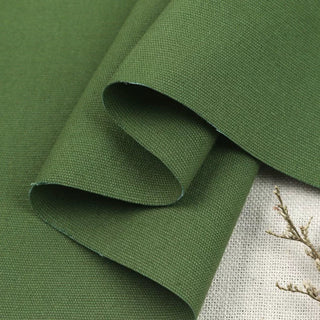
Canvas, known for its strength and versatility, is a textile with a long and practical history. From ancient hemp sails to modern fashion and accessories, canvas continues to serve everyone from painters and backpack designers to outdoor adventurers and apparel makers. In this guide, you'll learn what canvas fabric is, how it's made, what makes it unique, and how to use it in your next sewing or design project.

What Is Canvas Fabric?
Canvas is a plain-woven fabric most commonly made from cotton, but sometimes also from hemp or linen. Known for being durable, sturdy, and heavy-duty, canvas is ideal for uses that require strength and resilience. It can also be blended with synthetic fibers for added performance such as water resistance or UV protection, making it a popular choice for outdoor fabrics.
The word "canvas" comes from the Latin word cannabis, reflecting its early origins as a hemp-based cloth. As cotton gained popularity, it gradually replaced hemp in most canvas production.
Canvas has also played a pivotal role in two major historical domains:

- Sailing: For centuries, canvas was the standard fabric for sails, prized for its ability to catch wind while resisting tearing in rough seas.
- Painting: In the 15th and 16th centuries, artists began stretching canvas over wooden frames as an alternative to wooden panels, revolutionizing fine art. This tradition continues today, making canvas the surface of choice for painters worldwide.
Today, canvas is used in both fashion and functional applications across a wide range of industries.
4 Key Characteristics of Canvas Fabric
- Durability: Canvas is tightly woven and abrasion-resistant, making it ideal for high-wear items.
- Structure: It holds its shape well, making it perfect for bags, coats, and utility garments.
- Customizable Finishes: It can be dyed, printed, waxed, or treated with coatings like DWR (durable water repellent).
- Eco Options Available: Canvas can be made from recycled cotton, RPET (recycled polyester), or organic fibers.
How Is Canvas Fabric Made?
Canvas is made by tightly weaving yarns in a plain weave, an over-under pattern using vertical (warp) and horizontal (weft) threads. Most canvas uses medium- to heavy-weight yarns. Cotton canvas often uses two-ply yarns for added strength and even texture. The resulting fabric can then be:
- Washed or enzyme-treated for softness
- Coated with C6 or fluorine-free C0 DWR for water resistance
- UV or mildew-treated for outdoor use
- Dyed or screen-printed for artistic or branding purposes
Why Choose Canvas Fabric?
Canvas is one of the most versatile textiles in use today, thanks to its durability, functionality, and adaptability. While it is often associated with clothing and bags, its usefulness extends far beyond fashion:
- It’s strong enough for industrial coverings and outdoor shelters.
- It’s breathable and flexible enough for casual shoes and garments.
- It accepts paint and printing, making it perfect for art and signage.
- It holds up against wear, weather, and time, making it a staple in both DIY and commercial use.
Canvas combines tradition with modern performance, used across sectors from marine to military, fashion to fine art.
9 Popular Uses of Canvas Fabric
- Sails – Originally made from canvas, sails on boats needed durability and resistance to tearing.
- Tents – Heavy-duty canvas is still used today for camping shelters due to its weather resistance.
- Bags – From tote bags to rugged backpacks, canvas is a go-to for long-lasting carry goods.
- Shoes – Flexible yet tough, canvas is used in sneakers and espadrilles.
- Painting – Canvas stretched on frames is the standard medium for professional artists.
- Photography Backdrops – Lightweight canvas is ideal for mobile studio setups.
- Coverings – Military, construction, and shipping industries use canvas as tarps and covers.
- Clothing – Jackets, outerwear, and workwear benefit from canvas’s structure and protection.
- Furniture Upholstery – Canvas is tough enough for everyday wear on chairs, benches, and cushions.
Canvas comes in a wide range of weights, from 8 oz for garments to 24 oz for industrial use. Polyester-based Oxford canvas (600D, 900D) is also common in heavy-duty accessories.
How to Care for Canvas Fabric
To keep your canvas items in great condition:
- Pre-wash the fabric before sewing to reduce shrinkage.
- Wash in cold or warm water to protect coatings and maintain structure.
- Use mild detergent, especially for dyed or printed canvas.
- Air dry to prevent wrinkles and preserve water-resistant finishes.
- Iron on medium heat with steam if needed.
- Spot clean stains early, especially on bags or shoes.
Where to Buy Canvas Fabric & Buying Tips
Canvas fabric is widely available through fabric retailers, online suppliers, and wholesalers. Here are some tips for sewists and fashion brands:
- Choose weight wisely: 8oz–10oz for garments, 12oz–16oz+ for accessories.
- Request swatches: Test hand feel and drape before buying in bulk.
- Check for eco options: Look for recycled or organic content and certificationsn like GRS.
- Look for treatments: DWR, waterproofing, UV resistance, or if it's been washed for softer handfeel.
Popular Canvas Fabric at Yardblox:
RPET Recycled Polyester 12oz Canvas C008402

- Weight: 410gsm
- Texture: Specially washed to feel soft and flexible, ideal for hats, caps, and lighter accessories.
- Finishes: C6 DWR standard; C0 DWR optional
- Best For: Accessories, hats, soft bags
DWR RPET / Recycled Polyester 900D Oxford Canvas C006303

- Weight: 310gsm / 900D Oxford Canvas
- Texture: Crisp, tightly woven, water-repellent
- Best For: Structured bags, Beach Chairs, heavy-duty totes
- Sustainability: Made by Recycled Ocean Bound plastics
DWR RPET / Recycled Polyester 600D Oxford Canvas C0074S2

- Weight: 250gsm / 600D Oxford Canvas
- Texture: Lighter and more flexible than C006303
- Best For: Lightweight bags, accessory linings, casual wear
RPET / Recycled Polyester 8oz Canvas C008401

- Weight: 275gsm / 8oz
- Texture: Softer, not treated with DWR
- Best For: Clothing and soft accessories
Conclusion
Canvas is more than just a durable fabric, it's a foundational material with historical significance and modern appeal. Whether you’re designing clothing, creating home accessories, or crafting outdoor gear, canvas offers a dependable base that can be styled, dyed, or treated to suit nearly any application.
From painting backdrops to weekend duffels to timeless workwear, canvas proves that functional can also be beautiful. With sustainable choices and advanced finishes now available, canvas is more adaptable than ever for today’s makers and brands.


