
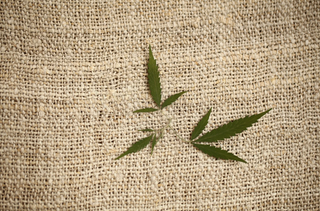

Absorbent, breathable, durable, and naturally antimicrobial, hemp is often called a super fabric thanks to its impressive performance and sustainability. As one of the most eco-friendly fibers to grow, it’s making a big comeback in sustainable and slow fashion. From hemp fabric shirts to everyday hemp activewear, it’s a go-to choice for brands seeking comfort, strength, and style in one material. Whether you’re comparing hemp fabric vs cotton or hemp fabric vs linen, or simply wondering Is hemp a good fabric?, this guide will break it all down.
What Is Hemp Fabric?
Like flax, hemp is a bast fiber, its long, strong strands grow along the length of the stalk, encasing the woody core. It’s a fast-growing plant that naturally resists many pests and requires minimal water to thrive. Thanks to its deep root system, hemp helps prevent soil erosion and supports healthier farmland, making it an excellent choice for crop rotation. According to the Textiles Exchange, farmers of hemp often rotated with crops like soybeans, tobacco, wheat, and corn.
One of hemp’s greatest strengths is its versatility when blended with other fibers. Blends with organic cotton add softness and improve affordability for everyday wear. Hemp Tencel blends offer a smooth, drapey feel with enhanced breathability, ideal for comfortable yet refined garments. Hemp with recycled polyester can boost wrinkle resistance and shape retention. These blends allow designers and brands to harness hemp’s natural durability while tailoring the fabric’s weight, texture, and finish to specific end uses.
4 Key Characteristics of Hemp Fabric
- Naturally Antimicrobial & Odor-Resistant – Hemp inhibits the growth of bacteria, meaning clothes stay fresher for longer between washes — a big plus for activewear, travel, and everyday wear.
- UV Protection – Hemp offers natural resistance to harmful UV rays, helping protect the skin and reducing color fading in garments.
- Softens With Time – Unlike some fabrics that break down, hemp becomes softer and more comfortable with each wash without losing strength.
- Biodegradable & Circular – 100% natural hemp fiber breaks down completely at the end of its life cycle, leaving no harmful residue, a true zero-waste material when undyed and untreated.
How Is Hemp Fabric Made?
Hemp fabric production involves a few main steps:

- Growing - hemp plants grows quickly without much water or pestisides.
- Harvesting – Hemp plants are cut when they’re mature, usually within 3–4 months of planting.
- Retting – The stalks are soaked or left in the field to break down the outer bark and loosen fibers.
- Breaking & Scutching – Machines separate the hemp fibers from the woody core.
- Spinning – Fibers are spun into yarn, ready for weaving or knitting.
Why Choose Hemp Fabric
For clothing brands, hemp fabric offers a premium yet practical and sustaianble choice. Its natural breathability makes it ideal for warm weather, while its excellent temperature regulation also helps retain warmth in cooler months. This makes hemp perfect for layering pieces and all-season wear, giving brands flexibility across collections.
Its durability is ideal for slow fashion brands, as hemp is up to three times stronger than cotton and 1.5 times more absorbent than linen while still drying faster. Even better, hemp gets softer with every wash without losing strength, ensuring garments remain comfortable and long-lasting. Hemp's absorbancy also means it takes dye really well, creating rich and long-lasting colors. Hemp is the ultimate slow fashion fiber perfect fabric for eco-friendly and sustainable brands.

6 Clothing & Garment Uses of Hemp Fabric
- Hemp Fabric Shirts – Soft and breathable for casual or dress wear.
- Summer Dresses & Tops – Lightweight hemp keeps you cool in hot weather.
- Atheleisure – Natural moisture-wicking keeps the skin dry.
- Outerwear – Hemp’s durability makes it great for jackets and coats.
- Workwear – Strong fibers hold up against daily wear and tear.
- Loungewear – Hemp blends feel soft and comfortable for all-day wear.
How to Care for Hemp Fabric

- Hand Wash or Quick Wash – Gentle cleaning preserves the fabric’s strength and texture.
- Wash in Cold Water – Keeps fibers strong and helps prevent shrinkage.
- Use Mild Detergent – Skip harsh chemicals that can weaken the natural fibers.
- Air Dry When Possible – Saves energy and extends the fabric’s life.
- Iron While Slightly Damp – Makes it easier to remove wrinkles without over-drying.
- Avoid Bleach – Harsh chemicals can break down hemp’s fibers.
- Store in a Cool, Dry Place – Prevents mold, mildew, and odor buildup.
Where to Buy Hemp Fabric & Buying Tips for Fashion Brands
For hemp fabric wholesale or hemp fabric by the yard, look for fabric suppliers that offer consistent quality and transparency in sourcing.
- Compare Hemp Fabric Price – Wholesale rates vary depending on fiber quality, weave, and blends.
- Order Samples – Test texture, weight, color before committing to large orders.
- Consider Blends – Hemp fabric vs cotton blends can provide a softer feel while maintaining strength.
- Check Certifications – Look for OEKO-TEX or GOTS to ensure sustainable and ethical production.
What Types of Hemp Fabric Are Available?
- Hemp Jersey – Soft and stretchy for tees and loungewear.
- Hemp French Terry – Cozy and absorbent for sweatshirts and hoodies.
- Hemp Canvas – Heavy-duty for bags and outerwear.
- Hemp Slub – Textured for a more natural, rustic look.
- Hemp Corduroy – Durable with a distinctive ribbed pattern.


